- Nov 12 Sat 2016 11:36
-
105年特色老店60家
- Oct 02 Sun 2016 11:05
-
食旅踩線體驗團-打狗城市散策之旅_老店粉分享

【鹽埕區老店-綠洲西餐廳】
七賢三路一帶以往被稱為酒吧街,由於早期韓戰爆發後美國海軍駐軍高雄港以及停泊休息而在這因應而生許多船員酒吧與西餐廳款待這些異國來的客人。待美軍撤離之後之後隨著高雄港貿易頻繁,酒吧街的燈紅酒綠也吸引許多日籍與外籍船員來此流連,因此鹽埕區曾經為高雄早期最繁華的地區之一。
而坐落於七賢三路的綠洲西餐廳,是一家見證鹽埕區繁華過往的老店,即使時代變遷依然保留著當時的風情與料理。
不太顯眼樸實簡單的招牌跟字體,可以感覺到是一家有故事跟歷史的老店家。
桌上配著很復古的方格桌巾與裝飾花,有種給人時光倒退20年的感覺。
- Sep 23 Fri 2016 09:35
-
食旅踩線體驗團-老台北城市散策之旅_老店粉分享2

今天的食之旅,除了美食之旅外,也多了一些文化的蘊涵:
第一站 鬍鬚張美食文化館
全台五十五家分店的鬍鬚張,其實也是見證了台北南京圓環的歷史,今天聽到創辦人張董事長親自介紹,才深刻了解,原來,他努力推動的不是只是一碗魯肉飯而己,他推動一種真正深刻的美食文化!
創辦人張董事長親自介紹在食安風暴頻傳的今日,鬍鬚張何以能全身而退!
張董事長很感性的回憶當年父親因為不小心燒焦了一鍋飯,不管外面有多少人在等,仍是毅然的將整鍋飯倒掉,因為父親說:「好的東西,顧客是願意等待的,要就是要端出最好的給顧客」!這個精神完整的實踐在鬍鬚張的整個SOP程序中。
- Sep 22 Thu 2016 14:00
-
食旅踩線體驗團-老台北城市散策之旅_老店粉分享1

此次很榮幸受邀參與由經濟部商業司主辦、與中國生產力中心協辦的2016食旅台灣味之台北行程,於其行程中拜訪了鬍鬚張寧夏創始店、百年小春樓滷味、魏姐包心粉圓、與超過一甲子的知名閩菜館福州新利大雅餐廳,午後更跟隨著台北城市散步專業導覽造訪台北城,透過此趟行程,進而瞭解老台北城美食與城市故事。
台灣為一海島國家,從早期至今湧入了許多來自他鄉的移民,經由時間流動而產生了族群區域效應,漸而在台灣各縣市發展出各具特色之飲食文化。台北為台灣經濟首都,從經濟發展史與歌曲之中,能依循脈絡瞭解其匯集我國國民與異鄉人之夢想,更衍生了許多飲食文化。在此趟參訪行程之中,我們瞭解了各家對創始精神之堅持、與食客間亦師亦友之交融情節,聽著主敘者的聲音傳來,仿佛呈現在眼前。
@ 鬍鬚張
第一站,首先來到了鬍鬚張寧夏創始店,來自雲林斗六的創始老闆張炎泉先生於1960年創立於民生西路的雙連派出所對面路邊擺設攤販,以販賣滷肉飯配苦瓜排骨湯打出知名度,全台灣已有55家直營店,更跨足日本創立兩家分店,而今日參觀的則為最早創始店(1979年),其座落於寧夏夜市口,2008年始規劃為美食文化館,如有國內外美食參訪團均會邀請至此參觀。
- Apr 18 Mon 2016 15:42
-
【銘師父餐廳 Chef Ming Restaurant】探索在地食材,揮灑廚藝空間 Explore native food materials, the place to freely present cooking skills
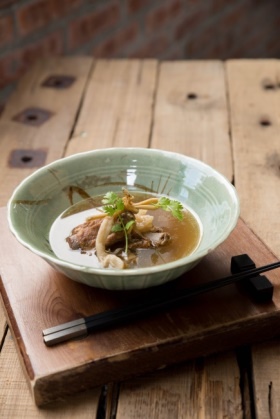
利用在地食材,以季節性精緻套餐聞名的銘師父擔仔麵,自宜蘭羅東到花蓮落地生根已有41個年頭。人稱銘師父的莊忠銘先生是餐廳的創辦人,民國62年即在花蓮市彰化銀行旁擺路邊攤,銘師父回憶起他的餐飲生涯過程,每十年便是一次轉型。
銘師父一腳踏入餐飲界,可說是一通來自父親的電話。銘師父45年次,當時17歲的銘師父還在台北信義路研習攝影,沒想到在花蓮的爸爸突然決定頂下一個小吃攤,想自己做生意。付了八萬元的頂讓費,莊爸爸跟著小吃攤的老闆在短短的四十天內學會了基本廚藝,但因當時缺人手,硬是將身為老大的銘師父從台北叫回家來幫忙。小吃攤位在花蓮的彰化銀行旁,雖說是個路邊攤,所販賣的菜餚卻多達五十多種,銘師父回憶:「當時一天煮掉快220斤的米,白天的攤位主要賣肉羹、豬皮、各式熱炒等,晚上則讓弟弟接著做,鹹酥蝦、炒韭菜這些下酒的菜餚就在晚上搭配生啤酒賣,所以這個路邊攤又被在地人笑稱「彰化大飯店」。銘師父說,當時每天三點就要起床準備食材與備菜,有十多個助手,一天營業額約在新台幣一萬元,生意相當興隆。轉眼間,因為社會的變化快速,都市更新等政策執行,十二年的路邊攤也畫下休止符。
之後,銘師父在國聲戲院旁開了阿銘海產店,卻一次因緣際會下幫忙友人辦喜宴,發現宴席的高利潤,於是以辦桌喜宴等為主要業務的「漢城餐廳」,開啟了銘師父另一項餐飲事業。「當時爸爸只要接到紅帖子,便叫我去吃,事實上是在學人家的辦桌菜,『三絲扣肚』、『雞仔豬肚鱉』、西滷肉、蹄膀、炸物這些辦桌菜就這樣入門了。
Chef Ming Tan Tsai Noodles who uses native food materials and is famous for exquisite seasonal set meals has had roots in Hualien from Luodong, Yilan for 41 years. Zhong-Ming Zhuang, who’s known as Master Zhuang is the founder of this restaurant, who opened a street stand beside Chang Hwa Bank of Hualien City in 1973. Chef Ming recalled his catering career which experienced a transformation every 10 years.
Chef Ming stepped into the catering industry because of a call from his father. Chef Ming was born in 1956 and when he was 17 years old, he was still leaning photography on Xinyi Road, Taipei City, which was 41 years from now. But his father in Hualien suddenly decided to replace a snack food stand and do his own business. Paying NT$80,000’s replacement fee, Papa Zhuang learned the basic cooking skills from the boss of the snack food bar shortly in 40 days. But he lacked manpower, so Chef Ming, who is his eldest son, was called home to help him. The snack food stand was located beside Chang Hwa Bank of Hualien. Although it was just a street stand, it sold more than 50 dishes. Chef Ming recalled that, “We sold out nearly 220 Jin of rice a day. In the day, the stand mainly sold meat congee, pork skins, various fried dishes etc. In the evening, the younger brother would continue to sell salted shrimps, fried Chinese chives, and other wine dishes together with beer. So this street stand was nicknamed as “Chang Hwa Grand Hotel” by the local people. Chef Ming said that, at that time, they should get up 3 a.m. every day to prepare the food ingredients and dishes, with more than 10 assistants, and their daily turnover was around NTD10, 000 with a very good business. But soon, the society changed fast. Policies such as urban renewal were adopted, so the 12-yearold street stand came to an end.
- Apr 18 Mon 2016 15:21
-
【老邵餐館 Lau Shau Restaurant】永續經營、老菜傳承 Sustainable business, inheriting old dishes
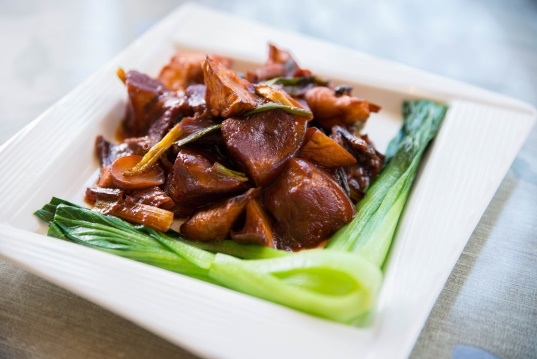
老邵餐館在花蓮市擁有一定知名度,以外省麵食著稱,從創店至今,整整五十個年頭。第一代是由劉春蓮女士於民國53年在雲林創立的「老邵籠包」,老邵餐館的老闆邵士金則為第二代。邵先生提到開店的這段往事:「我爸爸是浙江人,媽媽則是本省人,當時一家人住在雲林的眷村。為了討生活,選擇開小吃店,因為爸爸是外省人,所以選擇做麵食類的小生意。雖然媽媽當時對麵食並不在行,但當時眷村裏的叔叔、阿姨都會來幫忙,也教媽媽製作不同的麵食,久而久之就上手了。」目前雲林本店仍有經營,由邵士金的弟弟接手,以湯包為主,邵先生則於民國76年來到花蓮,隔年則開立「老邵餃館」,之後改名為「老邵餐館」,除了主食仍以麵食為主外,更增加許多媽媽的拿手菜餚,像是魚鯗燒肉、炒餅等,當然廚藝都傳承自邵媽媽。
說到媽媽的拿手菜餚--魚鯗燒肉,邵士金特別作介紹,還提到”鯗”這個字的發音為“想”的同音。邵先生現場拿出親自曬了7-10天的鰻魚,並介紹這道菜餚說:「台灣應該只有我們在販賣「魚鯗燒肉」這道菜的作法很麻煩,尤其是魚的處理程序十分費工。這道菜所使用的鰻魚都是從花蓮外海捕獲的野生鰻魚,拿到新鮮的鰻魚之後,要先殺魚,抹鹽後撐平,在屋簷下有風的地方風乾7-10 天,但不能曬到太陽,之後束袋包裝讓它熟成,將熟成的鰻魚洗掉灰塵之後,即可切塊與三層肉後段部位一起燒,即完成這道菜餚。」另外,還提到已經不賣的「老邵餃子」,邵士金說,「老邵餃子的餡是由一半生肉、一半是煸炒過的熟肉拌出來的,相當費工,炒的熟肉還要加上大茴香(八角)、花椒等香料,有些台灣人覺得味道太重,不太能接受,所以就不賣了,但其實這就是道地的瀋陽老邊餃子,這道菜也是由眷村的老鄉傾囊相授而來,我也在思考應該將這道菜再拿出來賣,不然老菜就要失傳了。」從此處,也看到老闆在傳承上的用心。
Lau Shau Restaurant is quite famous in Hualien. It’s well-known for the pastries from other provinces. Since its founding day, it has been run for 50 years. Its first generation manager was Chun-Lian Liu who founded Lau Shau Steamed Stuffed Buns in Yunlin in 1964. The boss of Lau Shau Restaurant, Shi-Jin Shau was the second generation manager. Mr. Shau mentioned the story of opening this restaurant: “My father was from Zhejian, while my mother was Taiwanese. And at that time, our family lived in the military dependants' village in Yunlin. To support our life, we choose to open an eatery. Since papa came from other province, so we chose to do a small business relating to pastries. My mother was not good at cooking pastries at that time. But uncles and aunts in the village all came to help and taught mother how to cook various pastries. Gradually, she became good at cooking pastries. Currently, the original restaurant at Yunlin is still in business, which is taken over by Shi-Jin Shau’s younger brother and mainly sells steamed dumplings filled with minced meat and gravy. Mr. Shau went to Hualien in 1987, and in the next year, he opened Lau Shau Dumpling Restaurant, which was later renamed as Lau Shau Restaurant. The restaurant mainly sells pastries, but also includes many special dishes of his mother, such as Braised Pork with Dried Salted Fish, Fried Shredded Pancake, etc., and the cooking skills are all inherited from Mother Shau.
由於客人的捧場,邵士金也從外面聘請廚師來幫忙,但與專業廚師的謀合仍需一段時間。邵士金提到麵食的製作時說到:「店裡的主食都是麵食,湯包、蒸餃、水餃、蔥油餅等,都是傳承自媽媽的手法,並都是手工製作。我跟麵點師傅說做麵皮要相當用心,當下水去拌麵粉的時候,一定要放入感情,它自然會回應給你,要學會跟麵皮對話。當然師傅也帶他自己的專業來到店裡,所以我們會一起調整的。」老闆點出了經營五十年的秘訣就是要用心,唯有用心,食物會回應、客人會回應,這就是收穫。
目前老邵餐館的主廚是由62年次的胡國華擔任,自17歲起即在當地海產店擔任學徒的胡師傅,雖然年輕,卻已有24年的廚藝資歷。胡師傅的背景是台菜海鮮,但他指出,剛來的時候也是從頭學起,因為菜系的不一樣,讓他覺得更具挑戰性。剛開始也是由老闆指導做菜,但他自己說只要基本功好,其實很快就能上手。但胡師傅也一語道破眷村菜的特色,他說眷村菜十分重視醃製,「酸」的味道需要到位,這是與台菜較為不同的地方。
- Apr 18 Mon 2016 15:09
-
【石庭客家小館 Shi Ting Hakka Restaurant】媽媽的味道、兒時的回憶 Mama’s taste, childhood memories
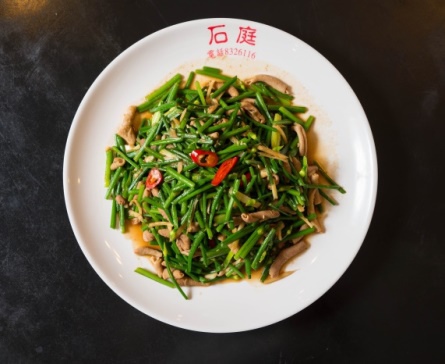
石庭客家小館是花蓮著名的客家餐廳,其前身是民國74年在花蓮民國路開設的「翠亨村客家小館」,由第一代的林張戊妹女士負責,第二代林運松則在之後繼承家業,石庭是目前花蓮具代表性的客家菜餐廳,道地的客家味道來自於苗栗頭份,用純米製作的客家甜點「粢粑」更是受到在地人的喜好。
林運松回憶這段往事,卻意外與茶事業有關。林運松說:「朋友想去花蓮開茶行,因此詢問我們的投資意願,當時媽媽的一句話「有去一擔材,沒去家裡愁」(意思:是有做有機會,沒做就困坐家中),讓我們決定冒險一試,民國71年便全家搬到花蓮,並在花蓮開設了這家茶行。由於開設茶行認識許多茶友,於是有了許多喝茶、品茶的聚會,我們客家人最為好客,所以也常邀請這些朋友到家中,媽媽便掌廚燒一桌道地的客家料理給這些朋友。由於媽媽的好手藝,茶友們紛紛鼓勵我們開一家客家菜館,禁不住朋友的慫恿,我們便在民國74年於花蓮民國路上開了「翠亨村客家小館」,佔地四十多坪,串起我們與餐飲界的緣分。」
林先生提到當時在花蓮很少有客家菜餐廳,加上媽媽的好手藝,生意相當好,一張桌子一餐便可以連三翻。但因為廚房工作日益繁重,林媽媽無法負荷,因此開始聘請廚師來協助做菜,當時的廚師都不會做客家菜,所以除了林媽媽要技術指導外,林媽媽也帶廚師們到台北、苗栗等地去吃客家菜,並由林媽媽指出其口味是否純正,藉此訓練廚師們能夠精準拿捏客家菜的味道。
Shi Ting Hakka Restaurant is a famous Hakka restaurant in Hualien. Its predecessor was “Cui Heng Village Hakka Restaurant” opened on Minguo Street, Hualien in 1985. Its first generation manager was Madam Zhang-Wu-Mei Lin, and its second generation manager Yun-Song Lin inherited this family enterprise. Shi Ting is a representative of current Hualien Hakka restaurants. Its native Hakka taste comes from Zaoqiao, Miaoli, and Hakka dessert “Zi Ba (glutinous rice cake)” is especially favored by the local people.
Yun-Song Lin recalled this old story, but accidentally found out that it was related to the current leading tea business group – Ten Ren Tea. He said, “We are Hakka from Zaoqiao, Miaoli and our family members are closely engaged in the tea industry. I remembered that Ten Ren Tea came to Toufen, Miao Li to build the first modern tea making factory in 1978. My younger sister, brother, and even my later wife all worked in Ten Ren Group. Later, Ten Ren Group saw the market potential of Hualien and asked us if we were willing to invest. At that time, mom’s words that “go, you get a bunch of timber; stay, you worry at home” (which means if you do, you have opportunities; if you don’t. you will get stuck at home) made us decide to cooperate with Ten Ren. So in 1982, our family moved to Hualien and opened our first shop there. Since we set up a tea house, we came to know many tea friends and had a lot of gatherings to drink tea and taste tea. We Hakka people are very hospitable, so we often invited a lot of friends to our home. Mom would cook a table of native Hakka food to treat these friends. Since Mom’s cooking was great, those tea friends all encouraged my mother to open a Hakka restaurant. Unable to bear the friends’ encouragement any longer, we opened the ‘Cui Heng Village Hakka Restaurant’ on Minguo Road, Hualien in 1985, covering an area of more than 132 m2, which started our relationship with the catering industry.”
- Apr 18 Mon 2016 14:45
-
【林家豬腳 Lin Family’s Pig’s Feet】豬腳與客家美食的雙重奏 Duo of pig’s feet and Hakka gourmet cuisine

有「豬腳的故鄉」之稱的屏東萬巒鄉是南部客家重鎮,民風淳樸,附近有全台最古老的萬金教堂,為知名的觀光景點。在民國38年,海鴻、熊家、萬泰等現今知名的豬腳店在此地陸續開店,「林家豬腳」也是其中的一份子。
「林家豬腳」創辦人林陳玉妹嫁至林家後,為了貼補家用,在萬巒鄉的路邊擺攤賣客家粄條等麵食,某天她忽然興起將豬腳做為配菜的念頭,決定先滷兩隻試試水溫,這個臨時起意的舉動竟造成大轟動,在那個吃豬肉是奢侈行為的年代,林陳玉妹的豬腳第一天賣兩隻、第二天賣四隻,販售數量以倍數成長,慢慢打響名號,遂將豬腳變成主打商品,民國70年,與全家便利商店合作,推出豬腳便當,更是一炮而紅。
「林家豬腳」好吃的秘訣在於核心的滷包,中藥配方這六十幾年來不曾換過;豬腳則嚴選具有CAS認證的豬前腿,肉質較紮實Q彈。逢年過節,一天要滷四、五千隻豬腳是司空見慣之事,尤其是到了孤鸞年,依照習俗出嫁的女兒要帶豬腳回娘家,這天店裡必定忙得不可開交。
- Apr 18 Mon 2016 14:34
-
【枝仔冰城 KI A PENG SIAN】兒時品嚐的第一口冰 First taste of ice in childhood

高雄市旗山是屏東、高雄山區到高雄市區的必經門戶,過去旗山農會曾是全台最有富有的農會,現在旗山老街已是著名的觀光景點,在此地發展的「枝仔冰城」從第一代賣冰已經過八十幾年,與旗山地區一同成長茁壯。
第一代經營者鄭城在大兒子出世時,希冀兒子長成充滿氣概的男子漢,從原本賣鬆軟的麻糬,改賣口感紮實堅硬的冰棒,他每天騎著腳踏車,在旗山沿街叫賣,在沒有冰箱的年代冰是最好的消暑品,除了芋頭、紅豆等基本款的冰棒,招牌香蕉清冰更是令人讚不絕口,它不像現在的霜淇淋或冰棒,需要複雜的機器與加工,僅是在清冰加上傳統普遍使用的香蕉油,冰涼清爽的口感成為當地人在炎炎夏日的小確幸。由於味美質佳,風味獨具,建立起良好商譽和口碑,在民國15年,從小攤轉為店面,稱之「鄭城冰枝屋」;民國40年又更名為「旗山冰果室」,因賣冰的關係,街坊鄰居皆稱呼他「枝仔冰─城」,到了第二代鄭國勝便沿用這個大家熟知的綽號「枝仔冰城」作為商標。
「枝仔冰城」一路走來堅持使用四百多年前來自宜蘭、常出口至日本的北蕉,特性不好種植、口感卻比其他品種紮實,但到了六零年代,國內進行農業改良,好種植又可長時間久放的「新北蕉」成為新寵,北蕉的生產量漸漸不及新北蕉,所幸有「蕉城」美名的旗山,溫度及濕度皆適合栽種北蕉,「枝仔冰城」利用地利之便,方便取得食材,落實在地企業使用在地食材的理念。
Qishan is a key area for accessing Pingtung, mountains in Kaohsiung, and downtown Kaohsiung. In the past, Qishan Farmers’ Association was the wealthiest farmers’ association in Taiwan, and now Qishan Old Street has become a well known tourist destination. The KI A PENG SIAN (meaning City of Popsicles) has been selling frozen snack foods for the past 80 years or so since the first generation, therefore it has grown and prospered with Qishan.
When Sian Cheng, the oldest son of the founder was born, he hoped that his son would grow up to become a stand-up man, therefore he changed from selling soft, spongy mochi to solid textured popsicles. He rode his bicycle and peddled popsicles along the streets of Qishan everyday. At the time, there were no refrigerators and popsicle was the best product to quench the summer heat. Besides basic flavors such as taro and adzuki beans, the signature banana clear ice was even more popular. Unlike modern soft serve or popsicles that require complex machinery and processing, banana clear ice is made by adding a drizzle of banana oil over clear ice, and the cool, refreshing texture has become a taste of happiness of local residents in the searing summer heat.
- Apr 18 Mon 2016 14:16
-
【新國際西餐廳 N.I.R. Steak House】一口好牛排,一份新感動 The only prominent old Western restaurant in Kaohsiung
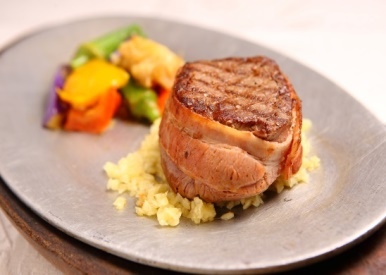
在五零年代初期,兩岸情勢緊張,美軍派遣第七艦隊在台灣部署,並利用高雄左營作為海軍基地駐點,當時有所謂的美軍俱樂部,是只提供海軍軍官餐點的場所,幾位原本在這裡工作的廚師從美軍學到不少手藝,決定自己出來創業,與現在的經營者陳萬泓的大伯父合作,在民國52年於高雄著名的黑市-鹽埕區崛江(現為舊崛江)旁的國際商場開張,因此取名為「國際西餐廳」,於隔年移到熱鬧的銀樓街:七賢三路與新樂街口,更名為「新國際西餐廳」,經營二十四年後才搬到現址。
陳萬泓的父親陳國和,從日本留學歸國後,在台從事教職,因兩位哥哥相繼過世,決定接下兄長們打拼下來的事業。在牛肉進口數量相當稀少的年代,對以牛排作為主打菜色的「新國際西餐廳」是一項考驗,陳國和堅持親自挑選每一塊肉,只向台糖購買,對品質十分要求,成功帶領餐廳逐漸茁壯,全盛時期更達到五家分店,前總統蔣經國先生到高雄視察時,也曾造訪此處用餐。
餐廳的一大特色為過去從美軍學習到的套餐形式-「A餐」,包含:開胃菜、沙拉、麵包、濃湯、前菜、主菜、甜點、水果、飲料,在七零年代首次推出,為高雄第一家有此用餐方式的西餐廳,掀起了高雄西餐市場的一股食尚風潮,且未隨著時代的潮流而簡化套餐的形式。店內主廚採用師徒制,代代傳承,這五十年來,每個人都從最基層慢慢爬,要近十年的時間才能坐到主廚的位置,現在的主廚已做二十五年,相當於陪伴餐廳一半的時間。
During early 1960s, the cross-strait relationship was tense and the U.S. 7th Fleet was deployed to Taiwan using Zuoying, Kaohsiung as the naval base. At the time, the so-called American clubs were used by the U.S. Armed Forces for recreation and vacation. Several chefs who originally worked here learnt a wealth of culinary skills from the Americans, therefore they decided to start their own businesses in collaboration with the uncle of the current restaurant owner Wan-Hong Chen. In 1963, their restaurant was opened in an international market inside the well known black market at the time – Juejiang Market in Yancheng (now known as Old Juejiang) under the name of “International Restaurant”. The following year, the restaurant was relocated to the more bustling Jewelry Street at the intersection of Qixian 3rd Rd. and Xinle St. It was renamed as “New International Restaurant (N.I.R.)” and 24 years later, it was moved to the current address.
After completing his studies in Japan, Wan-Hong Chen’s father Guo-He Chen returned to Taiwan to teach. Since both of his older brothers passed away in succession, he decided to take over the business his brothers had created. In the era where imported beef was a rarity, it presented a tremendous challenge for the steak-house oriented N.I.R. Guo-He Chen insisted in handpicking the finest beef from Taiwan Sugar and his meticulous demand in quality has successfully taken the restaurant to prosperity, with five branch restaurants in its heyday. Former President Ching-Kuo Chiang also dined here when he visited Kaohsiung.
- Apr 18 Mon 2016 14:03
-
【慶昇小館 CHING-SHENG Restaurant】南部第一名的炒飯 No.1 fried-rice in south Taiwan

去年(民國102年)蕃薯藤公布全台十大美味炒飯評選的結果,造成十足的話題性,觀察入選名單,前三名皆為北部店家,接著就是位在嘉義的慶昇小館,可說是南部第一名的炒飯。
「慶昇小館」於民國79年開業,當時這一帶為南北貨的集散地,酒家眾多相當繁榮,戲院更是到處林立,慶昇戲院、華南戲院、新榮戲院等都是當時著名的大戲院。創辦人江榮基曾是現在嘉義知名伴手禮福義軒的老師傅,自己也開工廠製餅,但遇餅業蕭條的時期,只能收山另覓新路,恰好親戚是慶昇戲院的經營者,才有幸在慶昇戲院騎樓下擺攤,「慶昇小館」就是因此得名。
「慶昇小館」最初本只有販售麵食,但觀察到看電影的顧客為了能準時進場,需要能快速飽餐的食物,加上南部氣候炎熱,以米飯為主食較容易有飽足感,江榮基將當時做餅的技巧應用在炒飯上,但剛開始做時,即使戲院開在附近,消費者並沒有想像中多,即使賣到半夜一整天卻賺不到三千元,只能咬牙撐下去。或許是不想自己的下一代經歷這種苦日子,當兒子江銘賢想要接手時,江榮基持反對的態度,他認為做小吃這行容易被看不起,說不定連老婆都娶不到,但學食品營養的出身的江銘賢,希望能將自己所學應用到家族事業上,即使父親反對仍堅持走這條路。
The Top Ten Gourmet Fried Rice Ranking in Taiwan published by Yam last year (2013) caused a sensation among the public. Taking a closer look at the shortlist, the top three were restaurants in northern Taiwan followed by CHING-SHENG Restaurant in Chiayi, thus it is said to be the no. 1 fried rice in southern Taiwan.
CHING-SHENG Restaurant opened for business in 1990. At the time, the region was a blooming distributing center for groceries, and there were also a large number of restaurants and renowned theaters such as Qingsheng (Ching-Sheng) Theater, Huanan Theater, and Xinrong Theater. Restaurant founder Rong-Ji Jiang was the old chef at the now famous souvenir supplier in Chiayi called Fuyishan. Although he too opened up his pastry factory, he was caught in the middle of an economic recession in the pastry industry, therefore he closed the factory and looked for alternative opportunities. Fortunately, one of his relatives is the owner of Qingsheng (Ching-Sheng) Theater and he was allowed to set up a stall at the arcade outside of Qingsheng (Ching-Sheng) Theater, hence the name CHING-SHENG Restaurant.
- Apr 18 Mon 2016 13:51
-
【鴻源金好吃牛肉麵 Hong Yuan Jin Hao Chi Beef Noodles】一吃就上癮的牛肉麵 Just one bite of the beef noodle and you’ll be hooked

在台南著名的花園夜市附近,有一家「上好吃牛肉麵」佇立在公園路上,從店名就可感受到經營者的自信與氣魄。
「上好吃牛肉麵」的第一代許經瑞原是那卡西樂手,常到國外進行表演,在經過新加坡時,到當地華僑經營的牛肉麵店用餐,覺得味道相當吸引人,引起高度興趣的他,開始投入牛肉麵的研究,這是經營牛肉麵店最初的契機。民國71年,六十歲的許經瑞卸下樂手的身分,理應要享受退休後的悠閒生活的他,卻選擇在民安戲院擺攤,販賣自己在新加坡所學、再經研發改良的牛肉麵,當時附近有九六新村、大道新村等眷村,當地的居民對牛肉麵情有獨鍾,帶起牛肉麵店的開店潮,同業競爭相當激烈。
剛開始創業的許經瑞起初並不順遂,甚至經歷過一天只賣一千多元的困苦日子,但他並不氣餒,不斷進行產品改良,只使用品質穩定的進口牛肉,挑選牛腱最好的部位-腱子心。腱子心數量相當稀少,通常進口的兩百箱牛肉中,腱子心只佔二十箱,跟其他部位比起來整整一斤差了快五十元,但因其肉質入口即化,許經瑞不惜下重本,也要讓顧客吃到最好的牛肉麵,加上自家開發、以當歸、川芎、大茴、甘草等中藥加上大骨熬煮八小時的湯頭,客人往往初嚐就上癮,正符合其店名「上好吃」。
There is a “Shang Hao Chi Beef Noodles” restaurant near the famed Flower Night Market on Gongyuan Rd. in Tainan City. The owner’s confidence and bold demeanor is evident in the name of the restaurant (Shang Hao Chi bears the meaning of ‘best-tasting’ in Chinese).
The first generation owner of “Shang Hao Chi Beef Noodles” Jing-Rui Xu was a traveling musician at the time that often performed overseas. When he was in Singapore, he dined at a local Chinese beef noodle restaurant, he was so impressed with the flavor that he decided to delve into beef noodle research and it subsequently paved the way for opening his own beef noodle restaurant. In 1982, the 60 year-old Jing-Rui Xu retired as a musician and instead of enjoying his retired life, he chose to set up a stall near Minan Theater to sell beef noodles that he had learned in Singapore and refined by himself. At the time, residents from local military dependents villages such as Jiuliu New Village and Dadao Village loved beef noodles so profoundly that beef noodle restaurants sprung up like bamboo shoots after the spring rain, creating an extremely competitive beef noodle industry.